
Celtic
Celtic and Rangers handed Scottish Cup stadium bans over Ibrox trouble

Celtic and Rangers handed rare Scottish Cup sanctions after Ibrox disorder
Celtic and Rangers have both been hit with significant Scottish FA punishments following the disorder that occurred after last season’s Scottish Cup quarter-final at Ibrox.
The two Glasgow clubs have been ordered to play their next home Scottish Cup fixtures behind closed doors. They will also each have to pay £100,000 to the opponent they are drawn against in those matches.
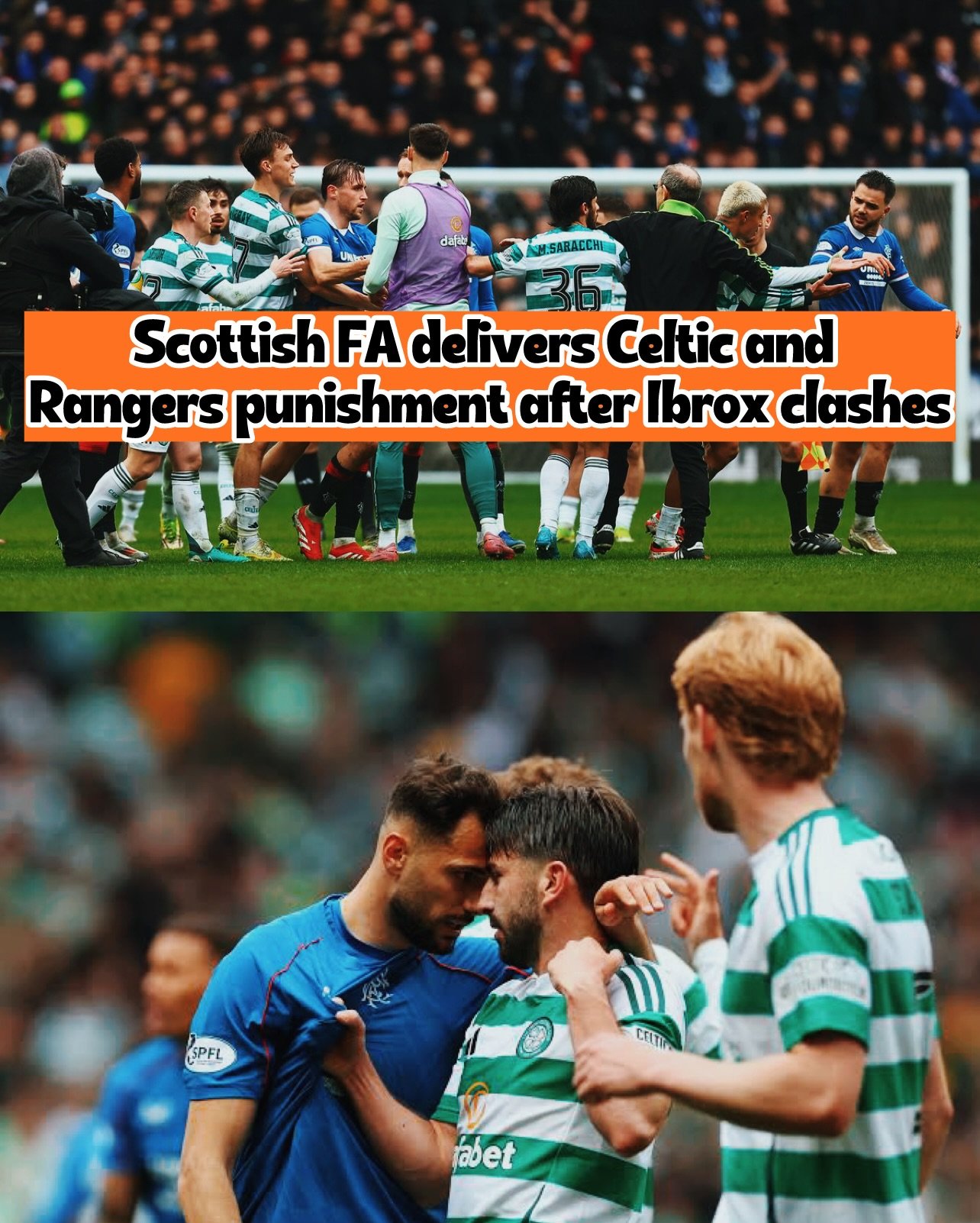
The sanctions are expected to take effect when Celtic and Rangers enter this season’s Scottish Cup in January.
The Scottish FA has also warned that either club could be forced to play another home cup match without supporters if a further incident involving unacceptable fan behaviour occurs during a Scottish Cup fixture.
What happened after the Ibrox quarter-final?
Celtic progressed to the semi-finals last season after defeating Rangers on penalties following a goalless draw at Ibrox.
The Hoops prevailed 4-2 in the shootout, but the scenes that followed became the main talking point.
Supporters from both clubs entered the pitch, while fireworks and other objects were thrown. Police officers were injured during the disorder and several arrests followed.
Both Celtic and Rangers were subsequently charged under Scottish FA Rule 37, which relates to unacceptable conduct at football matches, and appeared before an independent judicial panel to provide evidence.
Scottish FA takes tougher stance
An independent review headed by Mark Blackbourne concluded that the disorder came close to developing into a much more serious confrontation.
The review found shortcomings at both clubs and also criticised the Scottish FA for failing to take sufficiently strong action against previous incidents of crowd disorder.
Historically, punishments for issues such as pyrotechnics have generally involved financial penalties and, in some cases, reductions in ticket allocations.
The latest sanctions represent a significantly tougher approach from the governing body.
Celtic and Rangers respond
Celtic expressed its disappointment with the decision and described the punishment as disproportionate.
The club said it did not condone supporters entering the pitch but argued that the incident was a relatively limited incursion during an emotional period following the match.
Celtic also pointed out that Rangers were the home club and therefore responsible for the stadium’s safety arrangements on the day.
The Hoops said they would now examine the independent panel’s report before deciding what action to take.
Rangers, meanwhile, said they would carefully consider the full outcome and its potential consequences before determining their next steps.
The two clubs will now have to prepare for the prospect of playing their next home Scottish Cup matches without supporters, with another serious incident potentially triggering an additional behind-closed-doors fixture.
In a separate development, Rangers have confirmed that Celtic will receive 300 tickets for next month’s League Cup quarter-final at Ibrox.
That is a major reduction from the 8,000 tickets Celtic were allocated for the Scottish Cup meeting on March 8.
-
 EFL2 months ago
Early Championship pressure for three managers as experts predict promotion and relegation
-

 Celtic1 month ago
McInnes reveals what sparked fiery touchline spat with Mark Fotheringham
-

 EFL5 months ago
Portsmouth competitors eye major double swoop amid Southampton’s £6m Bayern Munich move
-
 Rangers4 weeks ago
How Uefa Decision made Rangers Humiliation worse.
-

 EFL5 months ago
Flynn Downes statement on Tonda Eckert at Southampton triggers response in ‘Spygate’ row
-

 EFL5 months ago
Breaking news: Lawyer delivers verdict on potential Southampton punishment after hearing
-
 Rangers7 months ago
Rangers have been given a major lift in the Scottish Premiership title race after the latest BBC report
-
 EFL7 months ago
David Storch faces criticism for early decision at Sheffield Wednesday pre-takeover