
EFL
Southampton saga erupts further after latest Spygate commission update

Fresh controversy has emerged surrounding Southampton F.C. after it was revealed that a member of the independent disciplinary commission responsible for their expulsion from the play-offs previously had a playing connection to one of the clubs indirectly affected by the case.
Southampton’s punishment, which resulted in their removal from the Championship play-off picture, was already considered one of the most severe disciplinary actions in recent English football history. The evidence presented against the club was described as extensive and compelling, with findings confirming breaches involving illegal scouting and other misconduct across multiple fixtures.
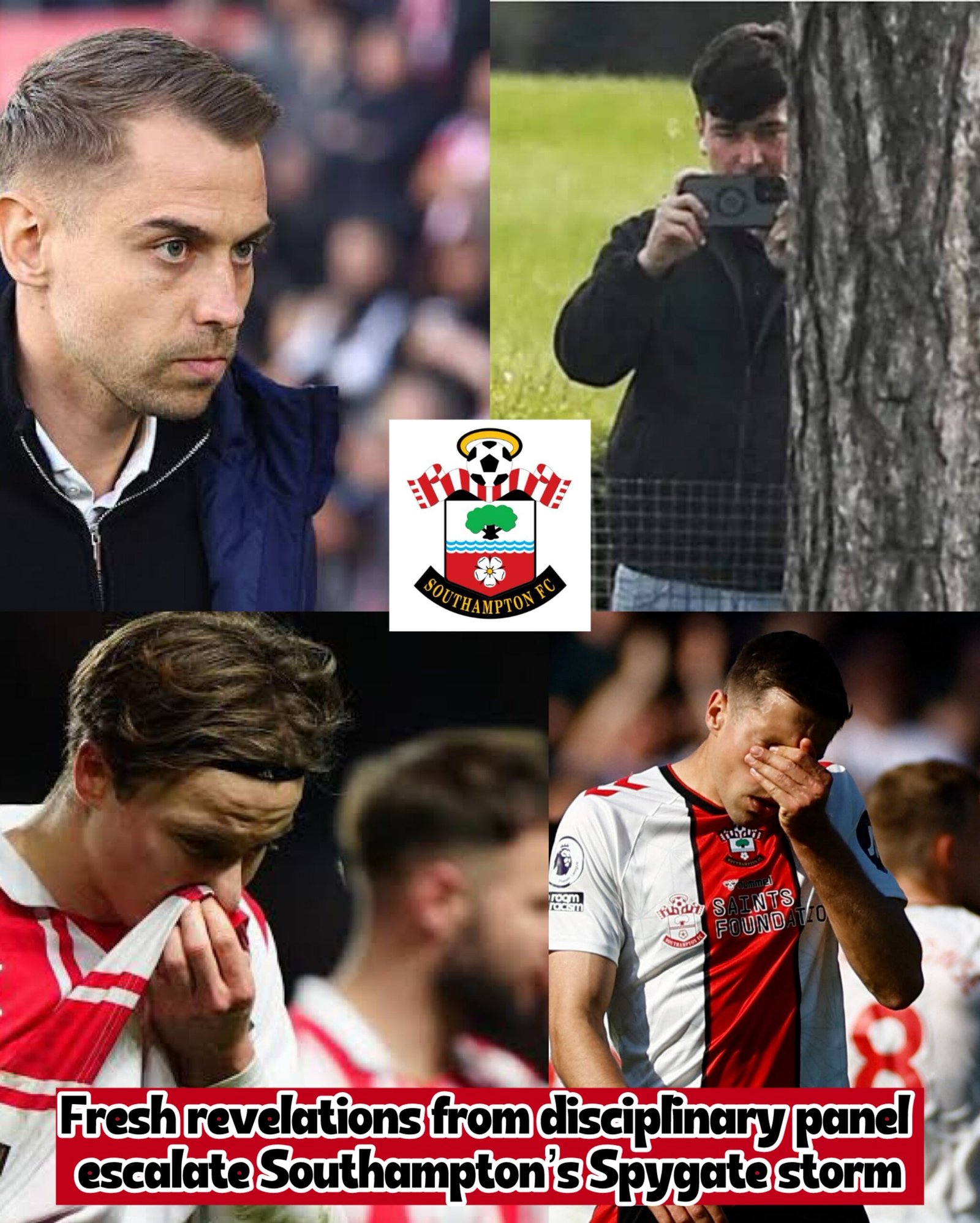
However, attention has now shifted away from the offences themselves and toward the make-up of the panel that delivered the ruling. It has emerged that David Winnie, one of the individuals serving on the independent commission, once played for Middlesbrough F.C. during his career — albeit in a brief loan spell dating back several decades.
While defenders of the process have pointed out that Winnie’s involvement at Middlesbrough consisted of just a single appearance in 1994, and that more than 30 years have passed since then, critics argue that the issue is not the scale of the connection but the perception it creates.
They stress that an “independent” panel should be free from any ties — however distant — to clubs potentially impacted by the outcome of such a high-stakes decision. Even if no formal objection was raised by any party before or during the hearing, questions have now been raised about whether proper checks were carried out when selecting the commission members.
Those defending Winnie’s role insist there is no suggestion of bias, emphasising that he would have approached the case with full professionalism and impartiality. They also argue that the strength of the evidence against Southampton leaves little doubt about the correctness of the verdict.
The commission’s written findings were reportedly detailed and unequivocal, concluding that Southampton had engaged in repeated rule breaches, including spying on multiple opponents and failing to act within regulatory boundaries. The club also admitted aspects of wrongdoing during the process.
Despite this, the revelation has added an uncomfortable layer to an already explosive situation. While few are suggesting the final outcome would have changed, critics argue that the integrity of the process must be beyond question, especially in a case of such magnitude.
The concern is not necessarily about the verdict itself, but about perception. By allowing a figure with even a distant link to a related club to sit on the panel, authorities have inadvertently given fuel to claims of unfairness and conspiracy — arguments that might otherwise have carried far less weight.
Ultimately, the punishment imposed on Southampton stands unchanged. The ruling remains in place, and the club’s fate has already been decided. However, the controversy surrounding how that decision was reached has now become part of the wider debate, raising questions about governance standards and the processes used to appoint disciplinary panels in major football cases.
-

 EFL2 months ago
Early Championship pressure for three managers as experts predict promotion and relegation
-

 Celtic1 month ago
McInnes reveals what sparked fiery touchline spat with Mark Fotheringham
-

 EFL5 months ago
Portsmouth competitors eye major double swoop amid Southampton’s £6m Bayern Munich move
-

 Rangers4 weeks ago
How Uefa Decision made Rangers Humiliation worse.
-

 EFL5 months ago
Flynn Downes statement on Tonda Eckert at Southampton triggers response in ‘Spygate’ row
-

 EFL5 months ago
Breaking news: Lawyer delivers verdict on potential Southampton punishment after hearing
-
 Rangers7 months ago
Rangers have been given a major lift in the Scottish Premiership title race after the latest BBC report
-

 EFL7 months ago
David Storch faces criticism for early decision at Sheffield Wednesday pre-takeover