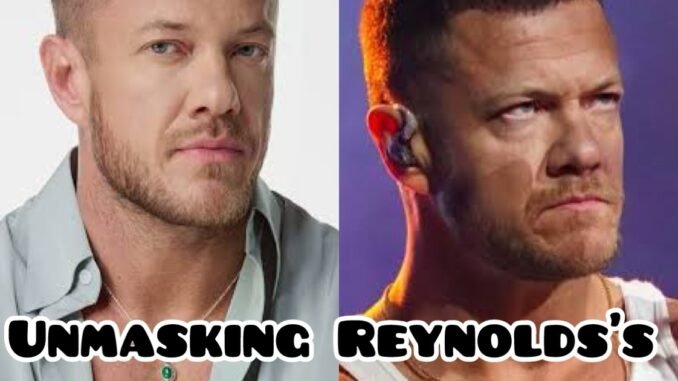
Dan Reynolds’ Openness About Depression and Efforts to Destigmatize Therapy
Dan Reynolds, the dynamic frontman of Imagine Dragons, has emerged as a beacon of hope in the fight to normalize conversations about mental health.
By openly sharing his lifelong struggles with depression, Reynolds has not only shaped the band’s emotionally resonant music but also worked tirelessly to destigmatize therapy, encouraging fans to embrace vulnerability and seek help.
His journey, rooted in personal pain and amplified by his global platform, has made him a relatable advocate, challenging outdated notions about mental health and inspiring a generation to prioritize well-being.
Reynolds’ battle with depression began in adolescence, growing up as the seventh of nine children in a conservative Mormon family in Las Vegas.
The cultural and religious environment of his youth often discouraged open discussions about mental health, viewing emotional struggles as a private burden or a sign of weakness. “I was taught to just push through, that talking about feelings wasn’t masculine,” he revealed in a 2018 *Billboard* interview.
These early experiences fueled his songwriting, which became a therapeutic outlet. Songs like “Demons” and “Radioactive” from Imagine Dragons’ 2012 debut album *Night Visions* reflect his internal turmoil, with lyrics that lay bare his fears and insecurities. “I wrote to process the darkness,” he told *Rolling Stone* in 2020, noting how music allowed him to externalize his pain.
As Imagine Dragons skyrocketed to fame, Reynolds chose transparency over silence, using his platform to discuss his ongoing struggles with depression.
He began attending therapy regularly, a decision he credits with transforming his life. In a 2017 *People* interview, he shared, “Therapy gave me tools to navigate the chaos of my mind and the pressures of fame.” By speaking candidly about his reliance on professional help, he aimed to dismantle the stigma that therapy is a last resort or a sign of failure, particularly for men.
His message resonated deeply, especially with young fans who saw a global superstar admit to needing help, making it feel accessible and courageous.
Reynolds’ advocacy extends far beyond interviews. On platforms like X, he frequently shares messages of encouragement, urging fans to seek therapy and prioritize mental health.
A 2021 post stated, “You don’t have to fight alone. Therapy is strength, not shame.” These words have sparked countless responses from fans sharing their own journeys, creating a virtual community of support.
His openness has been particularly impactful for younger audiences, who often face societal pressure to suppress emotions.
By modeling vulnerability, Reynolds has helped redefine strength as the willingness to confront one’s struggles.
His commitment to mental health advocacy is also evident in his philanthropy. In 2017, he founded the LOVELOUD Foundation to support LGBTQ+ youth, many of whom face heightened risks of depression and suicide due to societal rejection.
The annual LOVELOUD festival raises funds for organizations like The Trevor Project and Encircle, which provide mental health resources and safe spaces. Reynolds has linked his own experiences to this mission, stating in a 2023 *Variety* interview, “I know the isolation of feeling broken.
I want every kid to know they’re enough.” Performances by artists like Zedd and Tyler Glenn at LOVELOUD amplify this message, blending music with activism.
Through his music, social media presence, and philanthropy, Reynolds has transformed his personal struggles into a broader movement to destigmatize therapy. Albums like *Evolve* (2017) and *Mercury – Act 1* (2021) weave themes of resilience and self-acceptance, reinforcing his advocacy.
By sharing his story, Reynolds has not only found healing but also empowered countless others to seek help, proving that vulnerability can be a powerful force for change in the fight for mental health awareness.
Leave a Reply