Commercial Pulse of Austin: How Texas Longhorns Football Is Driving Community Impact Through Strategic Innovation… read more…
In the ever-evolving world of college athletics, the Texas Longhorns are not just keeping pace—they’re setting the standard. Once known primarily for gridiron glory, Texas Longhorns football now stands at the intersection of sports, business, and community culture. As Name, Image, and Likeness (NIL) freedoms expand and new revenue-sharing models take shape, the Longhorns are capitalizing on commercial factors that go far beyond the field. The result? A football program that is transforming Austin’s economic fabric while redefining what it means to engage a community.
A New Financial Era: Revenue Sharing and NIL Evolution
The Longhorns’ commercial influence began to surge with the NCAA’s adoption of NIL rights, which allowed college athletes to earn income through endorsements and sponsorships. At Texas, this opportunity has matured into a comprehensive economic ecosystem. The university, in partnership with Learfield, recently launched the Longhorn Sports Agency, a platform that provides marketing services, compliance education, and brand strategy for student-athletes. This move strengthens Texas’s position as one of the most NIL-friendly programs in the nation.
Athletes like quarterback Arch Manning, whose NIL valuation has reached an estimated $6.6 million, symbolize the program’s commercial success. Through deals with major brands like Panini America and Red Bull, Manning’s visibility feeds back into the university’s brand, attracting fans, media attention, and local businesses into a mutually beneficial orbit.
Stadium Sundays & Economic Ripples in Austin
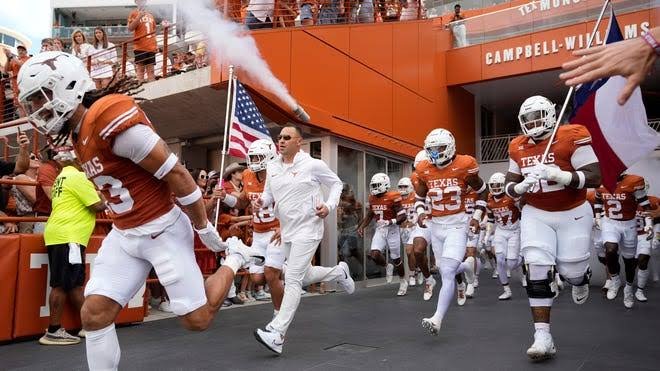
But the Longhorns’ influence isn’t limited to athlete branding. The program’s game days have become full-blown economic events. Darrell K Royal–Texas Memorial Stadium, already one of college football’s largest venues, is now evolving into a regional entertainment hub. Texas has introduced music performances, drone light shows, local food vendors, and interactive fan zones into the gameday lineup.
According to the Austin Chamber of Commerce, home games generate tens of millions in local revenue, benefiting hotels, restaurants, ride-share services, and local merchants. Longhorn football has effectively become a key driver in Austin’s weekend economy, and the administration knows it. Athletic Director Chris Del Conte has made it clear that the goal is to compete not just in the SEC, but also in the city’s crowded entertainment market, which includes live music, tech events, and major festivals.
Community Partnerships and Commercial Innovation
The Longhorns are also pioneering how athletic departments collaborate with the broader community. Through partnerships with local entrepreneurs and minority-owned businesses, Texas is expanding its commercial reach to be more inclusive. For example, select game days are now themed around community spotlights, allowing local artisans, food trucks, and small businesses to showcase their offerings to crowds of over 100,000.
Additionally, the university has rolled out educational NIL seminars and marketing boot camps for high school athletes in the area, aimed at creating awareness and preparation for future student-athletes. These efforts turn Texas Football into more than just a spectator sport—it becomes a resource for the next generation of players and entrepreneurs.
Tackling the Competition—On and Off the Field
Even as Texas prepares for its SEC debut in 2025, the program’s focus isn’t only on wins and losses. It’s about brand dominance—an area where the Longhorns are outpacing their rivals. According to On3.com’s NIL rankings, Texas consistently places in the top three schools for athlete earnings potential and brand support.
But there’s also growing competition. Austin’s nightlife, tech scene, and festival circuit pose new challenges for sports attendance and engagement. In response, the Longhorns are doubling down on experience. Interactive apps that enhance stadium visits, VIP tailgate zones, and collaborative promotions with South by Southwest (SXSW) events show the depth of Texas’s strategic planning.
Ethical and Long-Term Considerations
Yet with all this commercial success, the Longhorns face big questions about sustainability and equity. How will revenue-sharing models affect non-revenue sports like track or swimming? Will the commercial machine widen the gap between major programs and smaller schools?
Del Conte and university leaders argue that smart reinvestment is key. Plans are underway to allocate future revenues into athlete healthcare, education, and facility upgrades across all sports. A portion of NIL partnerships also includes community service stipends, tying financial gain to social good.
Conclusion: More Than Just Football
Texas Longhorns football is no longer just about scoring touchdowns or producing NFL talent. It’s become a commercial force that touches nearly every sector of Austin life—from small business and tech, to entertainment, branding, and youth development.
By embracing NIL, creating new marketing structures, and engaging directly with the community, the Longhorns are proving that a football program can be both a powerhouse on the field and a pillar in its city’s economic and cultural identity.
As Texas strides confidently into the SEC and the next chapter of college sports, one thing is certain: the Longhorns are not just playing the game—they’re redefining it.
Leave a Reply