Florida Gators Face Game-Changing Crossroads After Explosive NCAA Settlement…Read More…
In the wake of the monumental House v. NCAA settlement, the college sports landscape has been shaken to its core — and few programs are feeling the aftershocks more acutely than the University of Florida. With the Florida Gators standing at a pivotal crossroads, the decisions made in the coming weeks may not only redefine the future of Gators athletics but also set a national precedent for how major collegiate programs navigate this bold new era of student-athlete compensation.
The $2.8 Billion Shockwave
The House v. NCAA settlement — a landmark antitrust case challenging the NCAA’s limitations on athlete compensation — resulted in a jaw-dropping $2.8 billion payout. The agreement, finalized in late May, aims to retroactively compensate athletes for lost Name, Image, and Likeness (NIL) opportunities dating back to 2016. While the settlement has been hailed as a victory for athlete rights, it has also placed immense financial and logistical pressure on athletic departments nationwide.
For schools like the University of Florida, a Power Five juggernaut with a storied tradition and one of the most recognizable brands in college sports, the implications are massive. The Gators now face a slate of critical decisions: how to restructure budgets, navigate NIL collectives, balance donor expectations, and — most urgently — determine how to equitably distribute forthcoming revenue-sharing opportunities to current and future athletes.
Revenue Sharing: A New Frontier
At the heart of the NCAA’s evolving framework lies a transformative concept: direct revenue sharing between schools and athletes. For decades, college athletics operated under the amateurism model, where scholarships and stipends were the extent of student compensation. That model is now in the rear-view mirror.
Under the new structure, schools will be permitted — and in many ways expected — to share a portion of their athletic revenue with players. The proposed cap sits around $20 million annually per school, but how programs divvy up that sum is still uncharted territory.
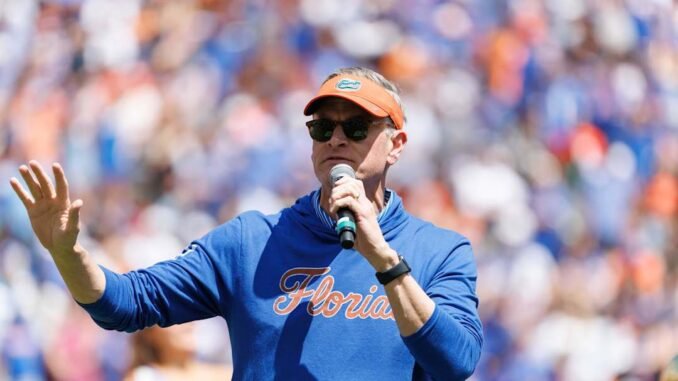
Florida Athletic Director Scott Stricklin acknowledged the complexity of the situation during a press conference last week.
> “We’re entering a new era — one that demands creativity, flexibility, and a genuine commitment to fairness,” Stricklin said. “Our priority is to support our student-athletes, but we also have to ensure the long-term health of our programs.”
The Budget Balancing Act
Even before the settlement, Florida’s athletic budget was under scrutiny. With upgrades underway at Ben Hill Griffin Stadium and continued investments in Olympic sports, adding direct athlete payments will require deep restructuring. Sources close to the department say that Florida is exploring a range of options: cutting back on administrative overhead, consolidating support services, and even reevaluating non-revenue sports.
“Everything is on the table,” one high-ranking official admitted on condition of anonymity. “We’re trying to avoid cutting sports, but if we don’t find sustainable models, some tough calls will have to be made.”
Boosters and Gator Collective leaders — who’ve played a pivotal role in helping athletes capitalize on NIL deals — are also expected to shift their focus. With schools now able to pay athletes directly, collectives may pivot toward brand-building, endorsement consulting, and marketing facilitation rather than serving as de facto payroll organizations.
The Recruiting Ripple Effect
One of the most significant concerns emerging from the settlement fallout is the impact on recruiting. Already, schools across the country are jostling to position themselves as athlete-friendly destinations in the new NIL landscape. With Florida’s high-profile football, basketball, and baseball programs all competing for elite talent, the pressure is on to remain competitive.
“If we don’t adapt quickly, we risk losing recruits to schools with more aggressive compensation packages,” said former Gator quarterback and current SEC analyst Jesse Palmer. “This isn’t just about facilities and tradition anymore — it’s about dollars and opportunity.”
Florida head football coach Billy Napier, entering a critical year at the helm, echoed that sentiment during SEC spring meetings in Destin.
> “We have to be proactive,” Napier said. “The best recruits want to know they’ll be developed — but they also want transparency about what they’re worth. That’s the reality now.”
Legal and Cultural Questions Remain
Though the settlement provides a financial framework, it has also triggered a new wave of legal and ethical debates. What does it mean to be a student-athlete now? Will athletes be classified as employees in the future? And how will programs manage potential locker room tension over pay disparities?
For Florida, with its diverse athletic portfolio — from powerhouse football and basketball to dominant gymnastics and track teams — ensuring a sense of equity and cohesion will be paramount.
“There’s no playbook for this,” said Dr. Angela Harmon, a sports law professor at the University of Florida. “Programs must develop compensation models that reward performance and value while preserving team unity and academic focus.”
What Comes Next for the Gators?
As the dust settles on the legal side, Florida must act swiftly to position itself as a leader in the new collegiate sports economy. That likely includes forming a dedicated NIL and Revenue Sharing Office, enhancing financial literacy programming for athletes, and potentially lobbying state lawmakers for regulatory flexibility.
While fans may not immediately see changes on game day, the ramifications behind the scenes are seismic. The Gators must now reconcile tradition with transformation, loyalty with legality, and passion with payment.
As Scott Stricklin said bluntly: “The Gator Standard is about excellence. That doesn’t change. But how we support our athletes must — and will — evolve.”
For now, the future remains uncertain, but one thing is clear: Florida is at a major turning point. The decisions made today will shape the legacy — and success — of Gators athletics for decades to come.
Leave a Reply